The Benefits Of Outsourcing Recruitment And Selection

outsourcing recruitment and selection, commonly referred to as recruitment process outsourcing (RPO), has become a popular strategy for many organizations looking to streamline their hiring processes and focus on their core business functions. By partnering with a third-party provider to handle the recruitment and selection of candidates, companies can save time, resources, and improve the quality of their hires.

There are numerous benefits to outsourcing recruitment and selection, and in this article, we will explore some of the key advantages that organizations can gain from this approach.

1. Access to expertise and technology

One of the primary benefits of outsourcing recruitment and selection is gaining access to expertise and technology that may not be available in-house. Recruitment firms specialize in sourcing and attracting top talent, and they have the knowledge and experience to navigate the complexities of the hiring process.

Additionally, many recruitment agencies leverage cutting-edge technologies such as applicant tracking systems, job boards, and other tools to streamline the recruitment process and identify the best candidates for a specific role. By outsourcing recruitment and selection, companies can benefit from these resources without having to invest in them themselves.

2. Cost savings

outsourcing recruitment and selection can also result in significant cost savings for organizations. Managing the hiring process internally can be time-consuming and resource-intensive, requiring dedicated staff and infrastructure to handle recruiting activities.

By outsourcing recruitment to a third-party provider, companies can reduce these costs and allocate their resources more efficiently. Recruitment agencies often charge a fee based on the services they provide, which can be more cost-effective than maintaining an in-house recruiting team.

3. Improved quality of hires

Another key advantage of outsourcing recruitment and selection is the potential for improved quality of hires. Recruitment agencies have access to a larger pool of candidates and can use their expertise to identify top talent that may be overlooked by internal recruiters.

Additionally, recruitment firms often have the resources and capabilities to conduct thorough candidate assessments and screenings, ensuring that only the most qualified candidates are presented to the hiring manager. This can lead to better hiring decisions and ultimately, stronger teams within the organization.

4. Scalability and flexibility

outsourcing recruitment and selection also offers organizations scalability and flexibility in their hiring processes. During periods of high recruitment volume, companies can quickly scale up their recruiting efforts by leveraging the resources of a recruitment agency.

Conversely, during slower periods, organizations can reduce their recruiting costs by scaling back their engagement with the third-party provider. This flexibility allows companies to adapt to changing business needs and maintain an efficient hiring process without incurring unnecessary costs.

5. Focus on core business functions

By outsourcing recruitment and selection, organizations can free up their internal resources to focus on core business functions. Recruiting is a time-consuming process that requires a significant investment of time and effort, which can detract from other important activities within the organization.

By partnering with a recruitment agency, companies can delegate the recruiting process to experts who can handle the task more efficiently and effectively. This allows internal staff to focus on strategic initiatives that drive business growth and innovation.

In conclusion, outsourcing recruitment and selection can offer numerous benefits to organizations looking to streamline their hiring processes and improve the quality of their hires. By leveraging the expertise and resources of a recruitment agency, companies can access top talent, reduce costs, and enhance their overall recruitment strategy.

For organizations looking to gain a competitive edge in today’s fast-paced business environment, outsourcing recruitment and selection may be a strategic investment worth considering.
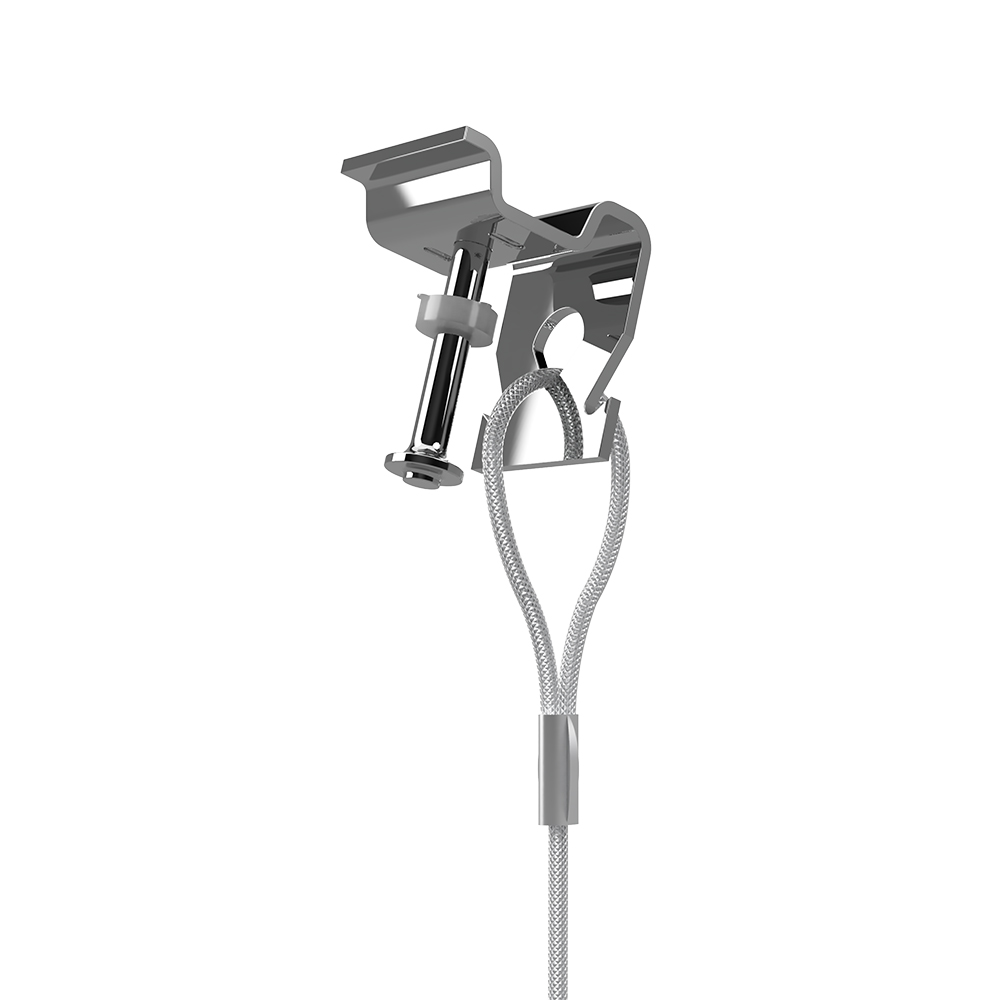
Ensuring Safety: The Importance Of Seismic Bracing For Wire Cable Tray

In today’s fast-paced world, advancements in technology have paved the way for increased connectivity and efficiency. This has resulted in the need for more sophisticated systems to manage the vast network of cables required to keep businesses running smoothly. One such system that plays a crucial role in providing support for cables is wire cable trays.

Wire cable trays are a type of support system used to manage and support various types of cables in commercial and industrial buildings. They are typically made of galvanized steel, aluminum, or stainless steel, and come in a variety of sizes and shapes to accommodate different cable types and load requirements. These trays are installed along walls, on ceilings, or under raised floors to keep cables organized and protected.

While wire cable trays are essential for the smooth operation of a building’s electrical systems, they are also vulnerable to seismic events. Earthquakes can cause significant damage to buildings and their contents, putting the safety of occupants at risk. In seismic-prone areas, it is crucial to implement proper seismic bracing for wire cable trays to ensure the stability and integrity of the system in the event of an earthquake.

seismic bracing for wire cable trays involves securely anchoring the trays to the building structure to prevent them from swaying or collapsing during a seismic event. This is typically achieved by using specially designed seismic bracing components, such as braces, clamps, and fasteners, that are installed at regular intervals along the length of the tray. These components are designed to withstand the forces exerted by an earthquake and keep the trays in place, protecting the cables they support.

The primary purpose of seismic bracing for wire cable trays is to prevent damage to the trays and the cables they support during a seismic event. If a cable tray were to collapse or become dislodged during an earthquake, it could result in a domino effect, causing damage to other parts of the building and potentially endangering the safety of occupants. By implementing proper seismic bracing, building owners can ensure the stability of their cable trays and minimize the risk of structural damage.

Furthermore, seismic bracing for wire cable trays also helps to maintain the functionality of the building’s electrical systems in the aftermath of an earthquake. If the cable trays were to fail during a seismic event, it could result in a disruption of power or communication systems, causing further damage and inconvenience. By securing the trays with seismic bracing, building owners can ensure that their electrical systems remain operational even in the face of a natural disaster.

In addition to protecting the safety of occupants and the integrity of the building, seismic bracing for wire cable trays also plays a crucial role in meeting building codes and regulatory requirements. Many jurisdictions have specific regulations regarding the seismic design and bracing of building components, including wire cable trays. Failure to comply with these regulations can result in fines, penalties, or even legal action, making it essential for building owners to ensure that their cable trays are properly braced.

When it comes to selecting seismic bracing components for wire cable trays, there are several factors to consider. These include the seismic hazard level of the building’s location, the type and size of the cable trays, the weight of the cables, and the building’s structural characteristics. It is essential to work with a qualified engineer or seismic bracing specialist to determine the appropriate bracing solution for your specific needs.

In conclusion, seismic bracing for wire cable trays is a critical component of building safety and functionality, especially in seismic-prone areas. By implementing proper seismic bracing, building owners can protect their cable trays, ensure the stability of their electrical systems, and comply with building codes and regulations. Investing in seismic bracing for wire cable trays is not just a matter of compliance – it is a matter of ensuring the safety and well-being of building occupants.

The Role Of Technical IGaming Consultants In The Online Gambling Industry

In the fast-paced world of online gambling, success often hinges on the ability to adapt to changing technologies and market trends This is where technical iGaming consultants come into play These professionals play a crucial role in helping online gambling operators stay ahead of the competition by providing expert advice on technical aspects of the industry In this article, we will explore the role of technical iGaming consultants and the valuable services they offer to online gambling operators.

Technical iGaming consultants are experts in various aspects of online gambling, including software development, systems integration, cybersecurity, and compliance They work closely with online gambling operators to help them navigate the complex technical landscape of the industry and optimize their operations for maximum efficiency and profitability These consultants have a deep understanding of the technical challenges and opportunities facing online gambling operators, and they use their expertise to develop tailored solutions that meet the unique needs of each client.

One of the key areas where technical iGaming consultants provide value is in software development Online gambling operators rely on sophisticated software platforms to power their games and manage their operations Technical iGaming consultants help operators design, develop, and implement customized software solutions that meet their specific requirements This can include everything from creating new games and features to integrating third-party software providers and ensuring seamless functionality across desktop and mobile platforms.

Systems integration is another important area where technical iGaming consultants excel Online gambling operators often use a variety of systems and technologies to power their operations, including payment processing, customer management, and reporting tools technical igaming consultants. Technical iGaming consultants help operators integrate these systems to create a unified and streamlined workflow that improves efficiency and enhances the overall player experience By ensuring that all systems work together seamlessly, consultants help operators reduce costs, increase revenue, and stay competitive in the crowded online gambling market.

Cybersecurity is a major concern for online gambling operators, as they must protect sensitive player data and ensure the integrity of their games Technical iGaming consultants play a vital role in helping operators identify and address security threats, implement best practices for data protection, and comply with industry regulations and standards By conducting comprehensive security audits, developing robust incident response plans, and training staff on cybersecurity best practices, consultants help operators safeguard their systems and build trust with players.

Compliance is another key area where technical iGaming consultants provide essential support to online gambling operators The online gambling industry is heavily regulated, with operators required to adhere to strict guidelines and standards to ensure fair play and player protection Technical iGaming consultants help operators navigate the complex web of regulations and ensure compliance with local and international laws Consultants stay abreast of the latest regulatory developments and help operators implement policies and procedures that meet legal requirements while minimizing disruption to their operations.

Overall, technical iGaming consultants play a critical role in helping online gambling operators succeed in a fast-paced and competitive industry By providing expert guidance on software development, systems integration, cybersecurity, and compliance, consultants help operators optimize their operations, improve efficiency, and enhance the player experience As technology continues to evolve and regulations become more stringent, the expertise and support of technical iGaming consultants will become increasingly valuable to online gambling operators seeking to stay ahead of the curve.

Enhancing Your Home With Residential Aluminium Roof Lights

When it comes to enhancing the aesthetics and functionality of your home, residential aluminium roof lights are a popular choice among homeowners. These sleek and modern roof lights not only provide natural light and ventilation to your living space but also add a touch of sophistication to your home’s overall design. If you are considering installing roof lights in your home, here are some reasons why residential aluminium roof lights are a great option:

1. Durability and Longevity:

One of the key advantages of residential aluminium roof lights is their durability. Aluminium is known for its strength and robustness, making it a reliable material for roof lights. Unlike other materials that may warp, fade, or crack over time, aluminium roof lights can withstand the elements and maintain their appearance for years to come. This means that once you install aluminium roof lights in your home, you can enjoy their benefits for a long time without worrying about frequent repairs or replacements.

2. Energy Efficiency:

Another benefit of residential aluminium roof lights is their energy efficiency. Aluminium is a highly conductive material, which means that it can easily transfer heat and cold. This property makes aluminium roof lights excellent insulators, helping to regulate the temperature inside your home and reduce your energy bills. By allowing natural light to enter your living space, aluminium roof lights can also help you cut down on your reliance on artificial lighting during the day, further saving you money on electricity.

3. Modern and Stylish Design:

In addition to their practical benefits, residential aluminium roof lights also offer a sleek and modern design that can enhance the overall aesthetic of your home. The clean lines and minimalist look of aluminium roof lights can complement a variety of architectural styles, from contemporary to traditional. Whether you are looking to add a touch of sophistication to your modern home or create a seamless transition between indoor and outdoor living spaces, aluminium roof lights can help you achieve the look you desire.

4. Increased Natural Light and Ventilation:

Natural light is essential for creating a bright and welcoming living environment. residential aluminium roof lights are designed to maximize the amount of natural light that enters your home, helping to create a warm and inviting atmosphere. In addition to providing natural light, aluminium roof lights also allow for better ventilation, helping to improve indoor air quality and reduce the risk of mold and mildew growth. With aluminium roof lights, you can enjoy a bright and airy living space that promotes health and well-being.

5. Customization Options:

One of the great things about residential aluminium roof lights is that they can be customized to suit your specific needs and preferences. Whether you want a fixed roof light for a specific room or a retractable roof light for a more versatile option, aluminium roof lights can be tailored to fit your requirements. You can also choose from a variety of finishes and colors to match the existing decor of your home, creating a cohesive and harmonious look.

In conclusion, residential aluminium roof lights are a versatile and practical addition to any home. With their durability, energy efficiency, modern design, and customization options, aluminium roof lights can enhance the functionality and aesthetics of your living space. Whether you are looking to increase natural light and ventilation, improve energy efficiency, or simply add a touch of style to your home, aluminium roof lights are a great choice. Consider installing residential aluminium roof lights in your home today and enjoy the numerous benefits they have to offer.

How Recrutemen.com Is Revolutionizing The Job Recruitment Process

recrutemen.com is an innovative online platform that is revolutionizing the job recruitment process. This cutting-edge website is changing the way employers and job seekers connect, making it easier than ever to find the perfect match for open positions. With its user-friendly interface and advanced search capabilities, recrutemen.com is quickly becoming a go-to resource for companies looking to fill job vacancies and individuals seeking their dream job.

One of the key features that sets recrutemen.com apart from other job recruitment websites is its focus on personalization. The platform uses advanced algorithms to match job seekers with positions that align with their skills, experience, and career goals. This means that users are presented with only the most relevant job opportunities, saving them time and energy in their job search.

For employers, Recrutemen.com offers a streamlined recruitment process that allows them to reach a wider pool of qualified candidates. The platform’s advanced search filters make it easy for employers to specify the exact criteria they are looking for in potential hires, ensuring that they are connected with the right candidates for the job. This personalized approach to recruitment helps companies save time and resources in their hiring process, ultimately leading to better quality hires.

In addition to its personalized matching algorithms, Recrutemen.com also offers a range of other features designed to make the job recruitment process more efficient and effective. One such feature is the ability for employers to conduct video interviews directly through the platform. This eliminates the need for in-person interviews, saving both employers and job seekers time and money.

Recrutemen.com also offers a range of tools and resources for job seekers to help them stand out in a competitive job market. From resume writing tips to interview preparation guides, the platform provides job seekers with the support they need to land their dream job. Additionally, Recrutemen.com offers a unique feedback system that allows job seekers to receive personalized feedback on their applications, helping them improve their chances of success in future job searches.

Another key feature of Recrutemen.com is its emphasis on transparency and fairness in the job recruitment process. The platform actively promotes diversity and inclusion in the workplace, and works to ensure that all candidates are given a fair chance at landing their desired position. Recrutemen.com’s commitment to equality makes it a trusted resource for job seekers from all backgrounds.

Overall, Recrutemen.com is changing the game when it comes to job recruitment. By utilizing advanced algorithms, personalized matching, and a range of innovative features, the platform is making it easier than ever for employers and job seekers to connect. Whether you’re a company looking to fill a vacancy or an individual seeking your dream job, Recrutemen.com has something to offer.

In conclusion, Recrutemen.com is a valuable resource for anyone involved in the job recruitment process. With its user-friendly interface, advanced search capabilities, and commitment to transparency and fairness, the platform is revolutionizing the way companies hire and individuals find employment. If you’re looking to streamline your job search or optimize your recruitment process, look no further than Recrutemen.com.

Enhancing Firearms Security With Shot-Lock

In today’s world, ensuring the secure storage of firearms is of utmost importance. Whether you are a gun owner, a shooting enthusiast, or a law enforcement officer, keeping guns safe and out of reach of unauthorized individuals is crucial. This is where Shot-Lock comes into play – a revolutionary product designed to enhance firearms security and provide peace of mind to gun owners.

Shot-Lock is a leading brand in the firearms security industry, offering a range of innovative products that are designed to keep guns safe and secure at all times. From shotguns to handguns, Shot-Lock provides a secure storage solution for all types of firearms, ensuring that they are always ready for use when needed and inaccessible to unauthorized individuals.

One of the key features of Shot-Lock products is their advanced locking mechanisms, which are designed to provide maximum security and prevent unauthorized access. Whether you choose a biometric fingerprint lock, a combination lock, or a key lock, you can rest assured that your firearms are safe and secure at all times. This peace of mind is invaluable for gun owners who want to ensure the safety of their families and prevent accidents or thefts.

Shot-Lock products are also built to be durable and tamper-proof, ensuring that they can withstand any attempts to break into them. Made from high-quality materials and designed with precision engineering, Shot-Lock offers a level of security that is unmatched by other products on the market. This makes Shot-Lock the top choice for gun owners who want a reliable and effective way to secure their firearms.

Another key benefit of Shot-Lock products is their versatility and ease of use. Whether you need to secure your firearms at home, in your vehicle, or while on the go, Shot-Lock has a solution for you. With a wide range of products designed for different purposes and environments, Shot-Lock makes it easy to keep your guns safe and secure no matter where you are.

For example, if you are a law enforcement officer who needs to keep your firearms secure in your patrol car, Shot-Lock offers products that are specifically designed for this purpose. These products are easy to install and provide a secure way to keep your firearms accessible while on duty. This ensures that you are always prepared for any situation that may arise, while also preventing unauthorized access to your weapons.

Shot-Lock products are not only designed for security, but also for convenience. With features such as quick access panels, adjustable mounts, and portable designs, Shot-Lock makes it easy to store and access your firearms whenever you need them. This level of convenience is essential for gun owners who want to ensure that they can protect themselves and their loved ones at a moment’s notice.

In addition to their security and convenience features, Shot-Lock products are also designed to be discreet and inconspicuous. Whether you choose a wall-mounted safe, a vehicle storage solution, or a portable carrying case, Shot-Lock products blend seamlessly into their surroundings and do not draw unnecessary attention. This is important for gun owners who want to keep their firearms secure without advertising their presence to potential intruders or thieves.

Overall, Shot-Lock is a game-changer in the firearms security industry. With its advanced locking mechanisms, durable construction, versatile designs, and convenient features, Shot-Lock offers a comprehensive solution for gun owners who want to keep their firearms safe and secure at all times. Whether you are a seasoned gun owner or a first-time buyer, Shot-Lock has a product that is perfect for your needs and budget. So why take chances with the security of your firearms? Invest in Shot-Lock today and enjoy the peace of mind that comes with knowing that your guns are always safe and secure.

Understanding Airway Head: Importance And Applications

Airway management is a crucial aspect of providing medical care to patients in various healthcare settings. One vital component of airway management is the concept of “airway head.” The term “airway head” refers to the positioning of a patient’s head during airway management procedures to ensure optimal oxygenation and ventilation. In this article, we will explore the importance of airway head positioning, its applications in healthcare, and the benefits it offers to patients.

Proper airway management is essential for ensuring a patient’s ability to breathe effectively and maintain adequate oxygen levels in the body. The airway head plays a crucial role in this process by helping to align the airway structures and facilitate optimal airflow. When the head is positioned correctly, it can help to prevent airway obstruction, improve ventilation, and enhance oxygen exchange in the lungs.

One of the key benefits of correct airway head positioning is the prevention of airway obstruction. By aligning the head in a neutral position, healthcare providers can ensure that the airway remains open and unobstructed, allowing for the free flow of air into the lungs. This is particularly important during procedures such as intubation, where maintaining a clear airway is essential for successful placement of the breathing tube.

In addition to preventing airway obstruction, proper airway head positioning can also improve ventilation and oxygen exchange in the lungs. When the head is correctly aligned, the structures of the airway, including the trachea and bronchi, are able to function efficiently, allowing for the effective exchange of oxygen and carbon dioxide. This can help to improve oxygenation levels in the body and prevent complications such as hypoxia.

The concept of airway head positioning has numerous applications in healthcare, ranging from emergency medicine to surgery and critical care. In emergency situations such as cardiac arrest or trauma, healthcare providers must quickly establish and maintain an open airway to support the patient’s breathing. Proper positioning of the airway head can play a crucial role in ensuring successful airway management and oxygenation.

In surgical settings, airway head positioning is essential for patients undergoing procedures that require anesthesia and mechanical ventilation. By carefully positioning the head during intubation and extubation, anesthesia providers can ensure that the breathing tube is placed correctly and securely, minimizing the risk of complications such as aspiration or airway injury. Proper head positioning can also help to optimize the delivery of ventilation during surgery, ensuring that the patient receives an adequate supply of oxygen throughout the procedure.

In critical care settings, airway head positioning is used to support patients who are mechanically ventilated or require respiratory support. By adjusting the position of the head, healthcare providers can optimize ventilation and oxygenation, helping to improve outcomes for patients with respiratory failure or other critical illnesses. Proper airway head positioning can also help to prevent complications such as ventilator-associated pneumonia and barotrauma, which can occur when the airway is not managed effectively.

Overall, understanding the importance of airway head positioning is essential for healthcare providers in various clinical settings. By ensuring that the head is correctly aligned during airway management procedures, providers can help to prevent airway obstruction, improve ventilation, and enhance oxygen exchange in the lungs. This can lead to better outcomes for patients and reduce the risk of complications associated with airway management.

In conclusion, airway head positioning is a critical component of effective airway management in healthcare. By understanding the importance of proper head positioning and its applications in clinical practice, healthcare providers can optimize patient outcomes and ensure the delivery of high-quality care. Whether in emergency medicine, surgery, or critical care, airway head positioning plays a vital role in supporting patients’ breathing and oxygenation needs.

A Beginner’s Guide: How To Start An Art Collection

Art has the unique ability to evoke emotions, spark conversations, and add personality to a space. Starting an art collection can be a rewarding and enriching experience, allowing you to showcase your tastes and interests while supporting artists and their work. Whether you’re a seasoned art aficionado or a newcomer to the world of art, here are some tips on how to start an art collection.

1. Define Your Preferences
Before diving into the world of art, take some time to reflect on your preferences and interests. Do you gravitate towards abstract paintings, contemporary photography, or traditional sculptures? Consider what styles, mediums, and themes appeal to you the most. Your collection should be a reflection of your personal taste and aesthetic sensibilities, so it’s important to start with a clear vision of what you like.

2. Research and Explore
Once you have a sense of your preferences, start researching different artists, galleries, and art fairs. Visit local museums, galleries, and exhibitions to discover new artists and styles. Attend art events, such as gallery openings and artist talks, to broaden your knowledge and connect with the art community. The more you expose yourself to different types of art, the better equipped you’ll be to make informed decisions when starting your collection.

3. Set a Budget
Art can be a significant investment, so it’s important to establish a budget before making any purchases. Determine how much you’re willing to spend on each piece and stick to your budget to avoid overspending. Remember that the value of art is subjective and can vary greatly depending on factors such as the artist’s reputation, the medium used, and the rarity of the piece. Start small and gradually expand your collection as you become more comfortable and confident in your choices.

4. Start with Affordable Pieces
If you’re new to collecting art, consider starting with more affordable pieces from emerging artists or student exhibitions. These pieces can be a great way to kickstart your collection without breaking the bank. Look for local art markets, online platforms, and student showcases to discover hidden gems and support up-and-coming talent. Investing in emerging artists can also be a rewarding experience, knowing that you’re supporting the next generation of creatives.

5. Consider Different Formats
Art comes in various formats, from paintings and drawings to sculptures and installations. Don’t limit yourself to a single medium or style – be open to exploring different formats and experimenting with new types of art. Mix and match different pieces to create a dynamic and versatile collection that reflects your eclectic tastes. By diversifying your collection, you can create a more visually appealing and engaging display that keeps viewers intrigued and inspired.

6. Build Relationships with Artists and Galleries
Building relationships with artists and galleries can be beneficial when starting an art collection. Attend artist receptions, gallery openings, and art fairs to meet artists in person and learn more about their work. Establishing a rapport with artists can give you insight into their creative process, inspirations, and future projects. Similarly, connecting with galleries can provide you with access to exclusive exhibitions, discounts, and insider information on upcoming events.

7. Trust Your Instincts
When it comes to collecting art, trust your instincts and follow your intuition. If a piece resonates with you on a personal level and sparks joy, it’s likely a good fit for your collection. Don’t be swayed by trends or popular opinions – collect art that speaks to you and makes you happy. Your art collection should be a reflection of your unique personality and tastes, so trust yourself to make decisions that align with your vision.

Starting an art collection can be a fulfilling and enriching journey that allows you to express yourself creatively and support the arts. By defining your preferences, researching different artists, setting a budget, and building relationships with artists and galleries, you can create a meaningful and diverse collection that reflects your personality and passions. Remember to trust your instincts, be open to new formats, and enjoy the process of discovering and collecting art. Happy collecting!

Mastering The Art Of Risk: Embracing Uncertainty In Pursuit Of Success

Risk-taking is an essential component of success in both personal and professional endeavors. From entrepreneurs launching innovative startups to athletes pushing their physical limits, individuals who are willing to take risks often reap the greatest rewards. However, mastering the art of risk involves more than just blindly taking chances – it requires a skillful balance of strategy, courage, and adaptability.

Embracing uncertainty is at the core of the art of risk. The willingness to step outside of your comfort zone and confront the unknown can lead to unparalleled growth and opportunities. Whether it’s investing in a new business venture, pursuing a new career path, or challenging yourself physically or mentally, taking calculated risks is an essential part of achieving your goals and fulfilling your potential.

One of the key principles of mastering the art of risk is making informed decisions. This involves conducting thorough research, evaluating potential outcomes, and weighing the costs and benefits of taking a particular risk. By gathering as much information as possible and carefully considering all relevant factors, you can make more educated decisions that increase your chances of success.

Furthermore, embracing failure is an integral part of the art of risk. Inevitably, not every risk will pay off, and setbacks and disappointments are a natural part of the process. Rather than viewing failure as a roadblock, successful risk-takers see it as an opportunity to learn and grow. By embracing failure and using it as a stepping stone to future success, you can develop resilience and adaptability that will serve you well in all aspects of your life.

Courage is another essential characteristic of mastering the art of risk. Taking risks often requires stepping into the unknown and facing your fears head-on. Whether it’s starting a new business, asking for a promotion, or pursuing a new hobby, having the courage to take that first step is crucial to achieving your goals. By building your courage muscle and embracing discomfort, you can push past your limits and achieve things you never thought possible.

Adaptability is also a key component of mastering the art of risk. The ability to pivot and adjust your strategy in the face of unexpected challenges or setbacks is essential for navigating the unpredictable nature of risk-taking. By staying flexible and open-minded, you can more effectively respond to changing circumstances and increase your chances of success.

In addition to personal growth and development, mastering the art of risk can also lead to tangible rewards and success. In the business world, entrepreneurs who are willing to take calculated risks often achieve greater financial rewards and market success. By investing in innovative ideas, challenging the status quo, and taking strategic risks, these individuals can outpace their competitors and achieve sustainable growth.

Similarly, athletes and performers who are willing to push their physical and mental limits often achieve extraordinary feats and breakthrough performances. By taking risks, pushing boundaries, and embracing discomfort, these individuals can achieve peak performance and reach new levels of excellence.

Ultimately, mastering the art of risk is about embracing uncertainty, making informed decisions, and taking calculated risks that align with your goals and values. By building your courage, adapting to challenges, and embracing failure as a learning opportunity, you can push past your limits and achieve success in all areas of your life.

In conclusion, the art of risk is a skill that can be cultivated and honed over time. By embracing uncertainty, making informed decisions, and building courage and adaptability, you can push past your limits and achieve your goals. Whether you’re launching a new business, pursuing a new career path, or pushing your physical limits, mastering the art of risk is essential for achieving success and fulfillment in all aspects of your life.

Revolutionizing Manufacturing With Additive Machines

additive machines, also known as 3D printers, are changing the landscape of manufacturing in a significant way. These machines work by creating objects layer by layer, using materials like plastics, metals, ceramics, and more to bring designs to life. Traditional manufacturing methods often involve subtracting material through processes like cutting or drilling, whereas additive machines build up material to create complex and intricate designs. This technology has opened up a world of possibilities for industries ranging from aerospace and automotive to healthcare and fashion.

One of the key benefits of additive machines is the ability to create complex geometries that would be difficult or impossible to achieve with traditional manufacturing methods. By layering materials on top of each other, designers can create intricate shapes and structures that are lightweight yet strong. This opens up possibilities for creating parts and products with unique features and improved performance. For example, aerospace companies are using additive machines to create lightweight components for aircraft that are both durable and fuel-efficient.

Another advantage of additive machines is the ability to customize products on a mass scale. Traditional manufacturing methods often involve creating molds or tooling that are expensive and time-consuming to produce. additive machines, on the other hand, can create one-of-a-kind products with minimal setup time and cost. This makes it easier for companies to offer personalized products to consumers, whether it’s customized jewelry, prosthetic limbs, or medical implants.

In addition to customization, additive machines also offer faster production times. With traditional manufacturing methods, creating a prototype or a small batch of products can take weeks or even months. additive machines, on the other hand, can produce parts in a matter of hours, allowing companies to iterate on designs quickly and bring products to market faster. This agility is essential in industries where innovation and time-to-market are critical, such as consumer electronics and automotive.

Furthermore, additive machines are also more sustainable than traditional manufacturing methods. Because they only use the materials needed to create the final product, there is minimal waste produced during the manufacturing process. This is in stark contrast to subtractive manufacturing methods, which can generate a significant amount of scrap material. Additionally, additive machines can use recycled or biodegradable materials, further reducing their environmental impact. As sustainability becomes increasingly important to consumers and regulators, additive machines offer a more eco-friendly alternative to traditional manufacturing methods.

Despite their numerous advantages, additive machines still face challenges in terms of cost and scalability. While the prices of 3D printers have come down in recent years, they can still be expensive for small and medium-sized businesses to invest in. Additionally, the materials used in additive manufacturing can be costly, especially for exotic or high-performance materials. Scaling up production with additive machines can also be challenging, as these machines are often slower and less efficient than traditional manufacturing methods for producing large quantities of parts.

As technology continues to evolve, however, these challenges are being addressed. New materials are being developed that are more affordable and easier to work with, making additive manufacturing more accessible to a wider range of industries. Advances in automation and robotics are also improving the speed and efficiency of additive machines, allowing them to compete with traditional manufacturing methods in terms of production volume and cost.

In conclusion, additive machines are revolutionizing manufacturing by offering a more flexible, efficient, and sustainable way to produce goods. From creating complex geometries to personalized products, these machines are enabling companies to innovate and stay competitive in a rapidly changing market. While challenges remain, the continued advancements in technology and materials are paving the way for additive machines to become a mainstream manufacturing tool in the near future.